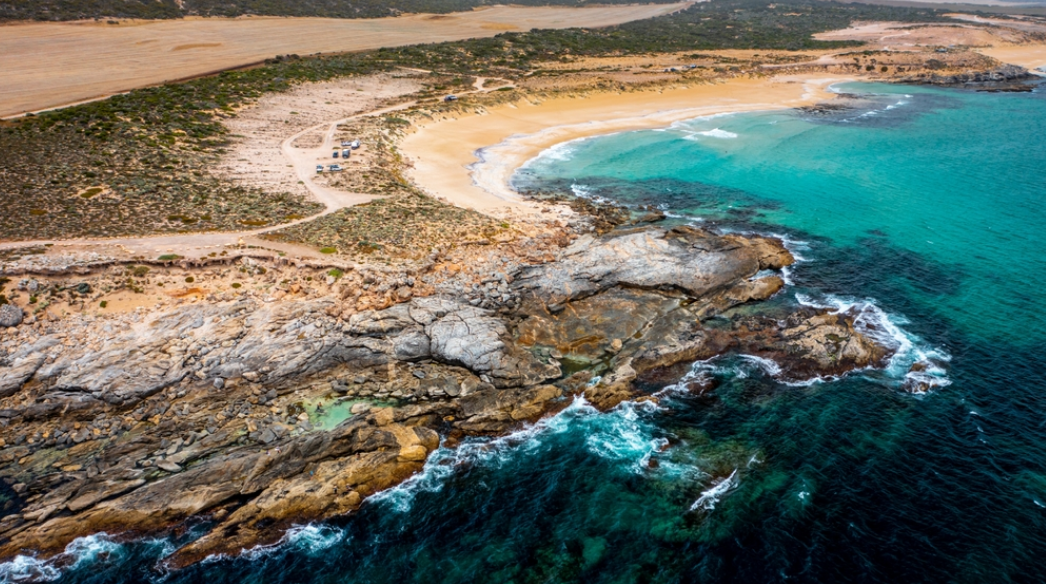
From heritage sites to art galleries, mining towns, and the gateway to the Gawler Ranges, the Great Australian Bight, and the sweeping Nullarbor Plain, central South Australia sure has a lot on offer. Famed for its magnificent rock formations and lustrous desert sands, every adventure enthusiast is sure to find plenty of enrichment here in the outback. Nature lovers have their fair share of opportunities for exploration as well. From kangaroos and wallabies to quirky reptiles like the thorny devil and stunning birdlife like galahs and black cockatoos, the local wildlife makes for some unforgettable sights and sounds.
A word of caution, though: if you’re travelling inland, then note that you are about to enter one of Australia’s hottest, most remote regions. And even if you’re planning to spend most of your time in and around Spencer Gulf, the hot desert winds from the Nullarbor and bracing winds from the Bight have also been known to blow across the Peninsula on occasion. You can be easily overwhelmed by sudden weather changes, bushfires or unexpected wildlife encounters. But don’t let that stop you.
Keep these great safety tips in mind to make the most of your visit to the Eyre Peninsula.
Get your Insurance Sorted
Holiday plans may not always go as expected. No matter how much time you spend fretting over the details, there are always last-minute cancellations, lost luggage or emergency expenses that pop up. Think ahead and choose a suitable travel insurance policy as soon as your trip is confirmed to shield you from these potential issues right from the start.
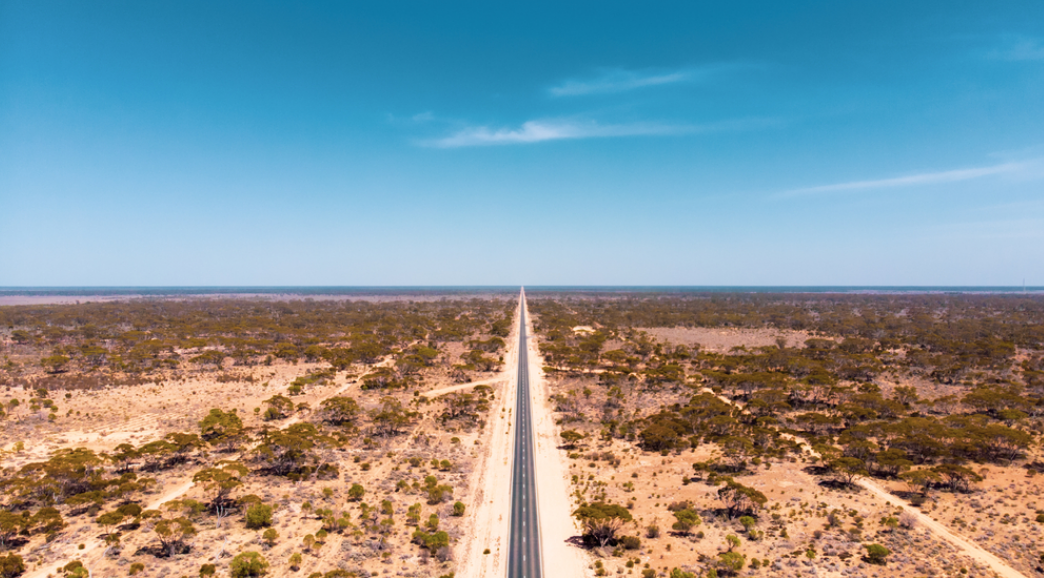
Roadside assistance and ambulance coverage should be the top priority here, as road trips are an integral part of an awesome South Australian experience. Routes that travel alongside the prominent Gawler Ranges National Park are great for scenic road trips. Just be sure to expect a rough and bumpy ride at times, as roadways typically are harder to maintain across isolated sections.
Finally, medical cover is also a must, especially for those planning to undertake some more adventurous pursuits during their time in and around the Eyre Peninsula. But even if you aren’t planning on going camel-riding or skydiving, something as small as a bug bite may still require you to seek medical help. With the right insurance cover in place, you can make sure you maintain access to vital support services, even in Australia’s remote outback regions.
Dress Comfortably
Temperatures in the region fluctuate considerably throughout the day, no matter the season. So come prepared with loose, comfortable clothing for mornings and jackets to stay warm at night. Alternatively, wearing layers can be a great way to regulate changes quickly.
Covering up is also a great way to avoid bites from insects and…well, even snakes. Areas across the plains are known for high fly populations as well as some venomous snake species. This is why wearing sensible footwear and thick, breathable cotton socks is essential when hiking through national park areas.
Don’t forget too, that the red sands in the region do actually stain clothes red! So if you plan on dune bashing, remember to pack darker colored clothing if you’d prefer to avoid rust-coloured staining.
Be sure to also check for active high temperature warnings throughout your trip. Keeping in the loop with high UV and high bushfire risk days are a must, as is being prepared with loads of water, sunscreen, and insect repellent.
Venture Carefully
Again, ensure you use comfortable footwear on all terrain. Choose closed-toe, waterproof hiking boots, especially if navigating rocky areas. You can enjoy some of the best mountain views and rich Aboriginal rock art as you make your way across this variably challenging route.
Though it may feel like you can do it all, we strongly recommend that you choose a walking trail suitable for your fitness level. Note: overexerting can be dangerous in any conditions, but especially so in the harsh, full-sun conditions you can expect across our region.
Be sure to also pay attention to warning signs and park rangers, and try to stick to the trodden path to reduce your risks of disrupting native wildlife or even causing damage to any sites that may hold cultural significance to local Indigenous populations.
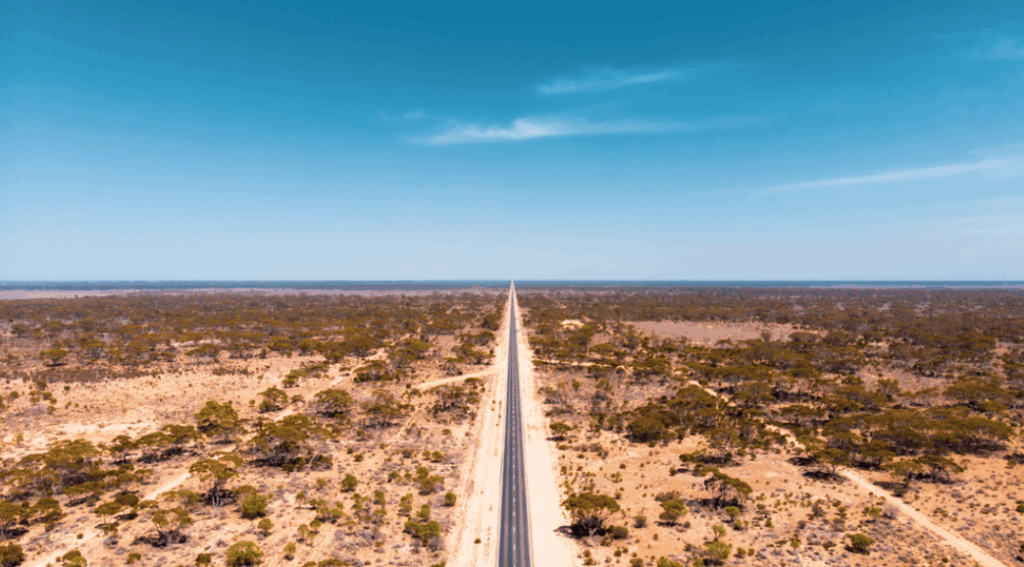
Navigate Safely
When driving through South Australia, we recommend mapping out your entire journey in advance (to avoid lost signals with your GPS navigation), and planning for pit stops only where allowed. This will keep you refuelled and rested at designated safe places along the way.
Be sure to always look out for road signs: these include wildlife crossing signs, speed limits, and other road safety signs that may alert you to upcoming obstructions or notify you that you’re in a high risk area.